When Drains Fight Back: Why Professional Drain Unblocking Services Matter
Every homeowner knows the sinking feeling. Water rises in the sink, the toilet gurgles ominously, or a puddle spreads across the patio after a storm. You reach for a plunger, then maybe a bottle of caustic chemicals. Sometimes that works. Often it doesn't. And sometimes it makes things worse.
I have spent years working with drainage systems across Essex, London, and the wider M25 area. I have seen what happens when a simple blockage turns into a full-scale emergency. The difference between a quick fix and a long-term headache often comes down to knowing when to call in proper drain unblocking services. That judgment is not always obvious, especially when the problem seems small at first.
Let me walk through the common issues, the tools that actually solve them, and the trade-offs you face when a drain decides to stop working.
The Reality of Blocked Drains
A blocked drain rarely announces itself politely. More often it makes itself known through a slow-draining sink or a toilet that refuses to flush properly. Many people assume a plumber can handle it. And yes, a good plumber can clear a blocked toilet or a blocked sink in many cases. But drains are a different beast. They run underground, they connect to the sewer network, and they accumulate debris in ways indoor plumbing does not.
I once worked on a property where the external drain had been slowly clogging for months. The owner had used a shop-bought drain unblocker every few weeks, which kept things moving just enough to mask the real problem. By the time we arrived, the pipe was almost completely sealed with compacted silt and cooking grease. That is a classic fatberg in the making. A fatberg does not form overnight. It builds layer by layer, fed by oil, fat, and non-biodegradable wet wipes. Once it solidifies, no amount of chemical cleaner will shift it.
When DIY Stops Working
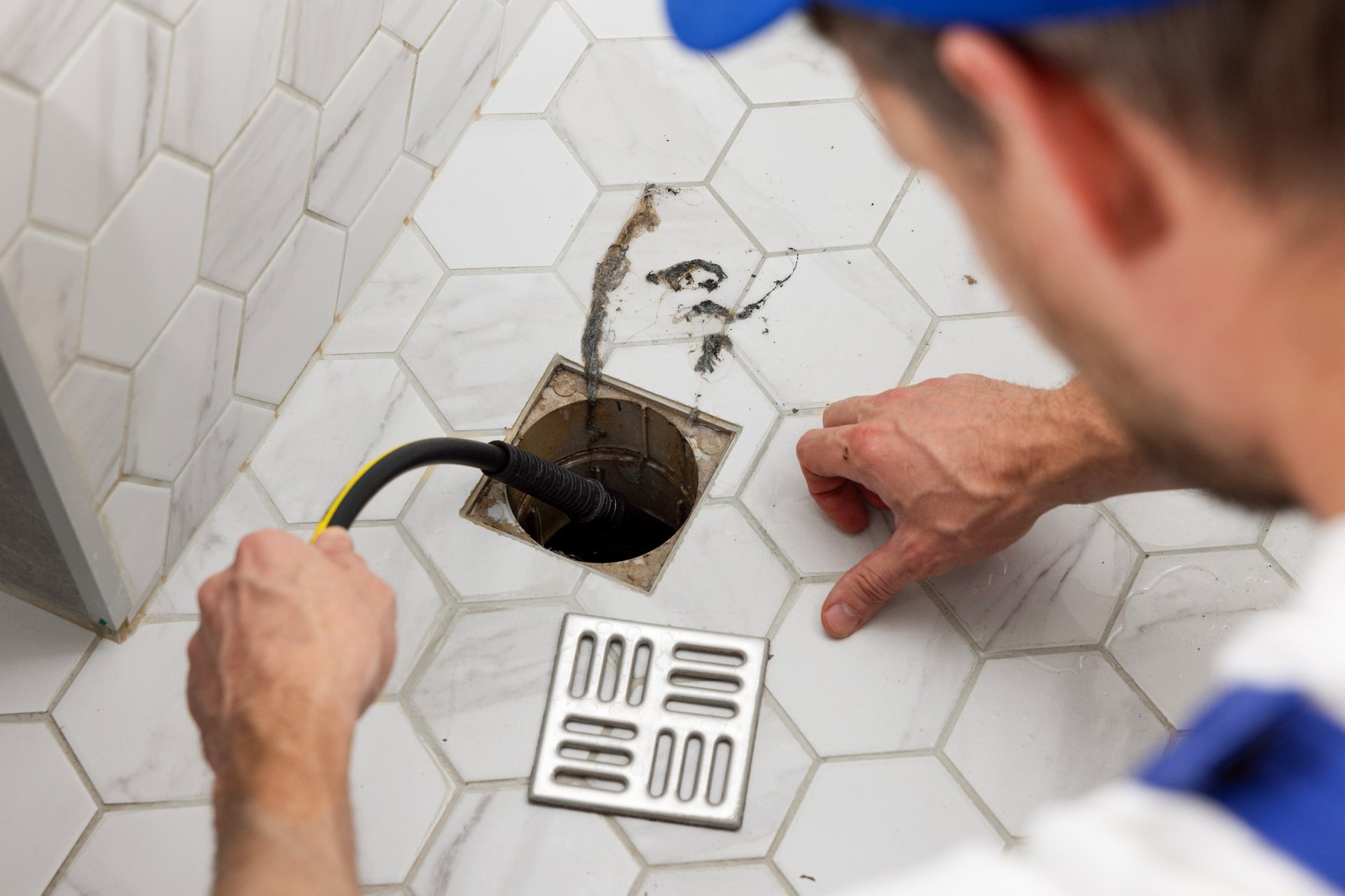
There is a place for DIY drain cleaning. A simple blockage near the trap of a sink or the bend of a toilet can often be cleared with a plunger or a hand-operated auger. But the moment the blockage lies beyond the first bend, you are into territory that requires proper equipment. This is where drain rods come in. A set of drain rods, threaded together and pushed through the pipe, can break up a moderate blockage and give you a sense of where the problem lies. They are cheap, they are simple, and they work for straightforward obstructions.
But drain rods have limits. They cannot get around tight bends without potentially damaging old pipework. They cannot tell you what the blockage is made of. And they cannot reach blockages deep in the system, especially if the pipe runs under a driveway or a garden. When you push a rod in and it stops after a few metres, you are left guessing. Is it a tree root? A collapsed section? A solid mass of grease? That uncertainty is where professional drain unblocking services earn their keep.
The Tools That Actually Fix Drains
Professional drainage work relies on a few key tools, each suited to a specific type of blockage. Understanding what these tools do helps you decide when to call for help.
- Drain rods are best for simple, accessible blockages in straight pipe runs. They are quick and inexpensive, but they have limited reach and cannot handle hard compacted material.
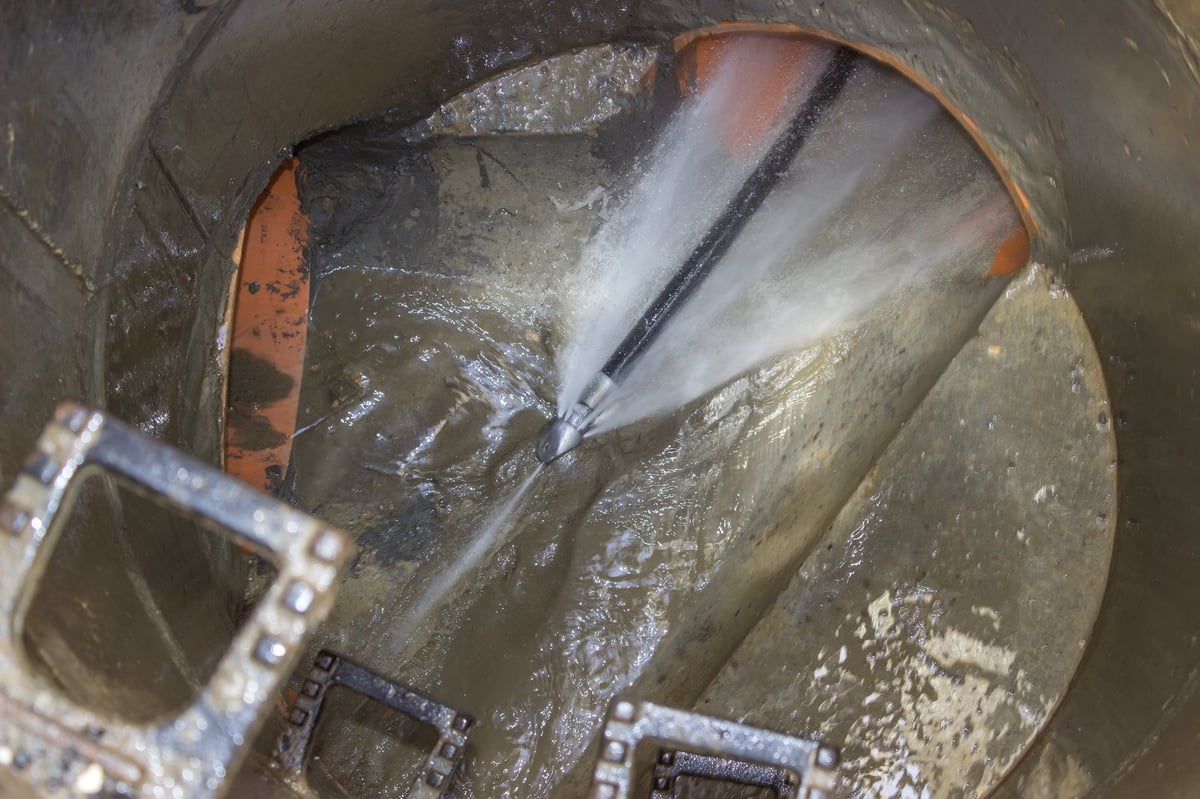
- Drain jetting uses high-pressure water to scour the inside of a pipe. It is excellent for removing silt, grease, and soft debris. It also flushes the pipe clean, which helps prevent future blockages.
- Root removal often requires a cutting head fitted to a jetting hose or an electric eel. Tree roots can penetrate pipe joints and grow into a dense mass that blocks the entire flow. Cutting them out without damaging the pipe takes skill and the right equipment.
- CCTV drain survey is the diagnostic tool that removes guesswork. A camera pushed through the pipe shows exactly where the blockage is, what it is made of, and whether the pipe itself is damaged. I always recommend a survey when a blockage recurs in the same spot or when you suspect a structural issue.
Each of these tools has a cost and a limitation. Drain jetting is powerful but uses a lot of water. Root removal is effective but may leave the pipe compromised if roots grow back. A CCTV survey costs money upfront but saves far more in unnecessary excavation or repeated callouts. The judgment call is about matching the tool to the problem, not using the most expensive option first.
Common Blockage Scenarios
Having worked on hundreds of properties across Essex, London, and the M25 corridor, I have seen the same patterns repeat. A few scenarios stand out because they trap homeowners into expensive mistakes.
The Blocked Toilet That Is Not the Toilet
A blocked toilet is usually the first sign of a deeper issue. If the toilet flushes slowly and water rises in the bowl, the blockage may be in the toilet trap itself. But if the water rises in the toilet when you flush a sink or run a bath, the problem is in the shared pipework. That is a blocked drain, not a toilet fault. Calling a plumber to fix the toilet will not help. You need someone who can access the manhole and clear the main line.
The Slow Sink That Keeps Coming Back
A blocked sink that clears temporarily with chemicals but returns within weeks is almost always a grease and fat buildup. The chemicals dissolve the surface layer, but the core remains. Over time, that core grows into a fatberg. The only permanent fix is mechanical cleaning: drain jetting or rodding to break up the mass and flush it out. I have seen kitchens where the sink drained fine for a month after a chemical treatment, then clogged worse than before because the loosened debris settled further down the pipe.
The External Drain That Floods the Garden
External drains, including rainwater drains, gullies, and soakaways, are often neglected until they overflow. A gully that collects leaves and silt can block completely within a single autumn. A soakaway that is clogged with fine sediment will stop absorbing water, causing surface flooding. These problems are not emergencies until it rains heavily. Then they become urgent. Regular drain cleaning of external drains, especially before winter, prevents most of these issues.
Emergency Drainage: When Speed Matters
Some drainage problems cannot wait. A blocked sewer that backs up into a ground-floor toilet, or a drain that collapses under a driveway, demands immediate attention. Emergency drainage services are built for exactly these situations. They arrive quickly, assess the problem, and use the heaviest tools to restore flow. In my experience, the key is having someone who can diagnose the problem fast. Is the blockage in the private drain or the public sewer? Is the pipe collapsed or just clogged? That first decision determines the whole course of action.
If the blockage is in the public sewer, the water company usually handles it. If it is in the private drain, the homeowner is responsible. Knowing which is which saves hours of wasted time. A good drainage contractor will check the manhole immediately and tell you where the responsibility lies.
Prevention and Maintenance
The best way to avoid emergency callouts is regular maintenance. For most homes, an annual drain cleaning and CCTV survey is enough to catch problems early. For commercial kitchens or properties with mature trees, more frequent checks make sense. I advise clients to clear gullies of debris every few months, especially in autumn. And I strongly recommend against pouring cooking oil down the sink. That single habit causes more blockages than anything else I see.
Root removal is another area where prevention beats cure. If you have trees near your drains, a CCTV survey every couple of years will show root ingress before it blocks the pipe. Early root removal is straightforward. Waiting until the pipe is completely blocked often means cutting out a section of pipe and relining it.
Choosing the Right Help
Not every drainage company offers the same level of service. Some specialise in emergency callouts, others in planned maintenance. Some have the latest jetting and camera equipment, others rely on rods and guesswork. When you need drain unblocking services, look for a contractor who offers a range of options: rodding for simple jobs, jetting for grease and silt, CCTV surveys for diagnostics, and root removal for tree problems. A company that can do all of these is more likely to match the right tool to your specific problem than one that only offers a single solution.
I have worked alongside teams that cover Essex, London, and the M25 area, and the best ones share a common approach. They arrive with multiple tools, they inspect the manhole first, and they explain what they find before they start working. That transparency matters. It builds trust and it helps you understand what is happening to your property.
Final Thoughts
Drains are not glamorous. They are not something most people think about until something goes wrong. But a well-maintained drainage system saves money, prevents property damage, and keeps your home running smoothly. When a blockage does happen, the right response is not always the cheapest or the quickest. It is the one that matches the problem accurately. That is where professional judgment and the right equipment come together.
Whether you are dealing with a blocked sink, a flooded garden, or a full-scale sewer backup, investing in proper drain unblocking services is a decision that pays off in reliability and peace of mind. The next time you reach for that bottle of chemical drain cleaner, stop and think about what is really going on in the pipe. Sometimes the best tool is not a chemical. It is a phone call.